
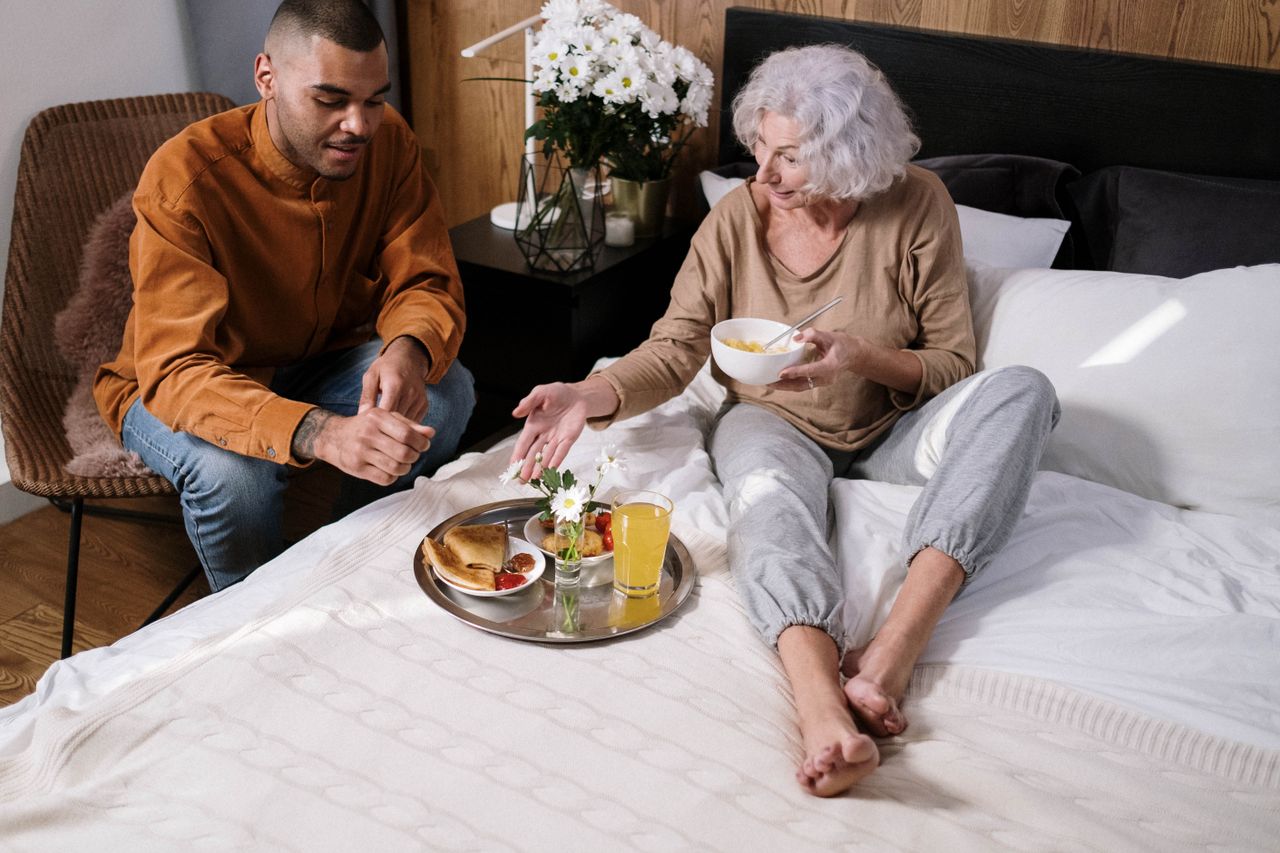
Some subjects only come into focus when life puts them in front of us. Personal continence support is one of them. It sits in an awkward corner of public conversation, where embarrassment often beats honesty, even though millions of people deal with bladder or bowel issues at some point through age, illness, disability, surgery or childbirth. What stands out is not only how common it is, but how rarely homes, workplaces and public spaces are designed with it in mind.
We talk a great deal about accessibility now, and that is a good thing, but it is often reduced to ramps, lifts and parking bays. Real accessibility goes further. It includes privacy, storage, disposal facilities, comfortable changing areas and the ability to carry on with ordinary life without drawing attention to yourself. That is why practical products, including nappies for adults, matter in a much wider social sense than people might assume. They are not simply medical items. They are tools that can help someone get on a bus, sit through a concert or visit family without extra stress.
Small considerations, big difference
What often makes life easier is not a grand gesture but a handful of thoughtful details:
- clean, well-stocked accessible toilets
- discreet bins in more washrooms
- less sniggering language around ageing and disability
- better understanding from employers and venue staff
The broader point is simple. If we want a society that feels civilised, we should care about the unglamorous things as well. Dignity is built from practicalities, and many of them stay invisible until they are needed. Perhaps the mark of a mature culture is its ability to discuss these realities plainly, without pity or jokes, and make room for people to live normally.
Featured image credit: Ron Lach via pexels.