
When people talk about accessibility, the conversation often jumps straight to ramps, lifts and disabled toilets. Those features matter, but they are only part of the picture. A genuinely inclusive building works for the full range of bodies that use it, including people who need more space, more support or higher weight capacity in everyday settings.
That matters in places most of us pass through without a second thought: GP surgeries, care homes, leisure centres, schools and community halls. If a waiting room chair is too narrow, a treatment couch does not fit the patient, or a wheelchair cannot be accommodated safely, the message is quiet but clear. Good design is not only about getting through the door. It is about being able to use a space with dignity once inside.
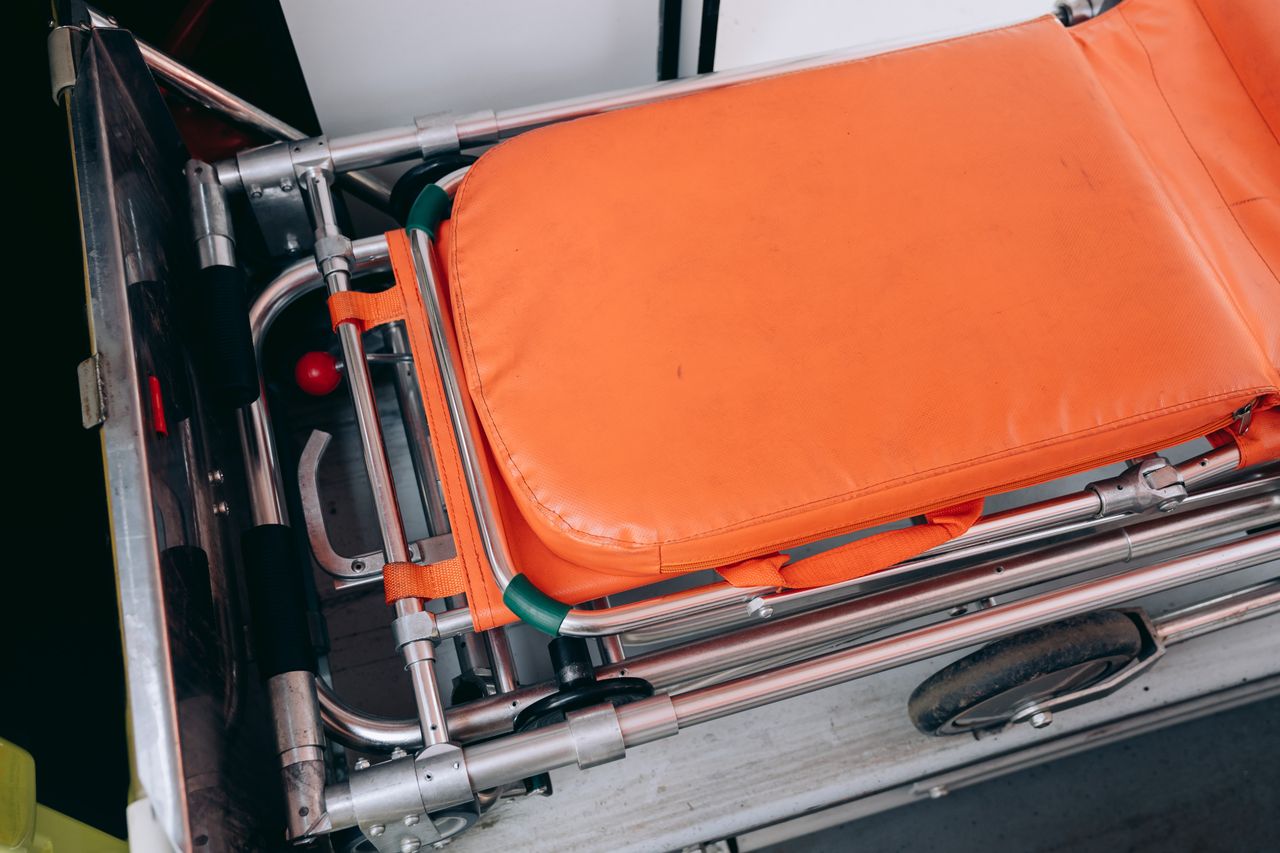
One overlooked part of that conversation is bariatric equipment, a broad category covering items designed for higher weight capacities and safer support. In practice, that can mean reinforced seating, specialist beds, wider transport chairs or handling aids that reduce risk for both users and staff. It is not glamorous, but it is often the difference between a service being available in theory and usable in practice.
Small decisions, bigger consequences
For organisations, these choices are not simply about compliance or box-ticking. They shape whether people feel welcome enough to attend appointments, join activities or ask for help.
- Appropriate furniture can reduce discomfort and embarrassment.
- Safer equipment can lower the risk of injury for staff and users.
- Better provision shows that inclusion has been thought through properly.
There is also something broader at stake: the way public spaces reflect social attitudes. If we want services that serve everyone, practical planning has to catch up with that ambition. Accessibility is not finished once the obvious features are installed. Often, the quieter details show whether inclusion was really intended.