Some of the most useful improvements in local food work aren’t glamorous. They don’t come with launch events or clever slogans. They are usually small, practical changes that make a volunteer’s Tuesday evening easier: a better labelling system, a sturdier trolley, a table that wipes clean in seconds. In community kitchens, school growing projects and neighbourhood food banks, those details matter because time and space are always tight.
One of the biggest pressures is storage. Donations arrive in odd quantities, fresh produce turns up all at once, and rooms often have to do more than one job. A church hall may be a lunch club by noon and a yoga class by seven. So equipment can’t sprawl across the floor and hope for the best. The challenge is not just keeping food safe and organised, but keeping spaces flexible enough to change use quickly.
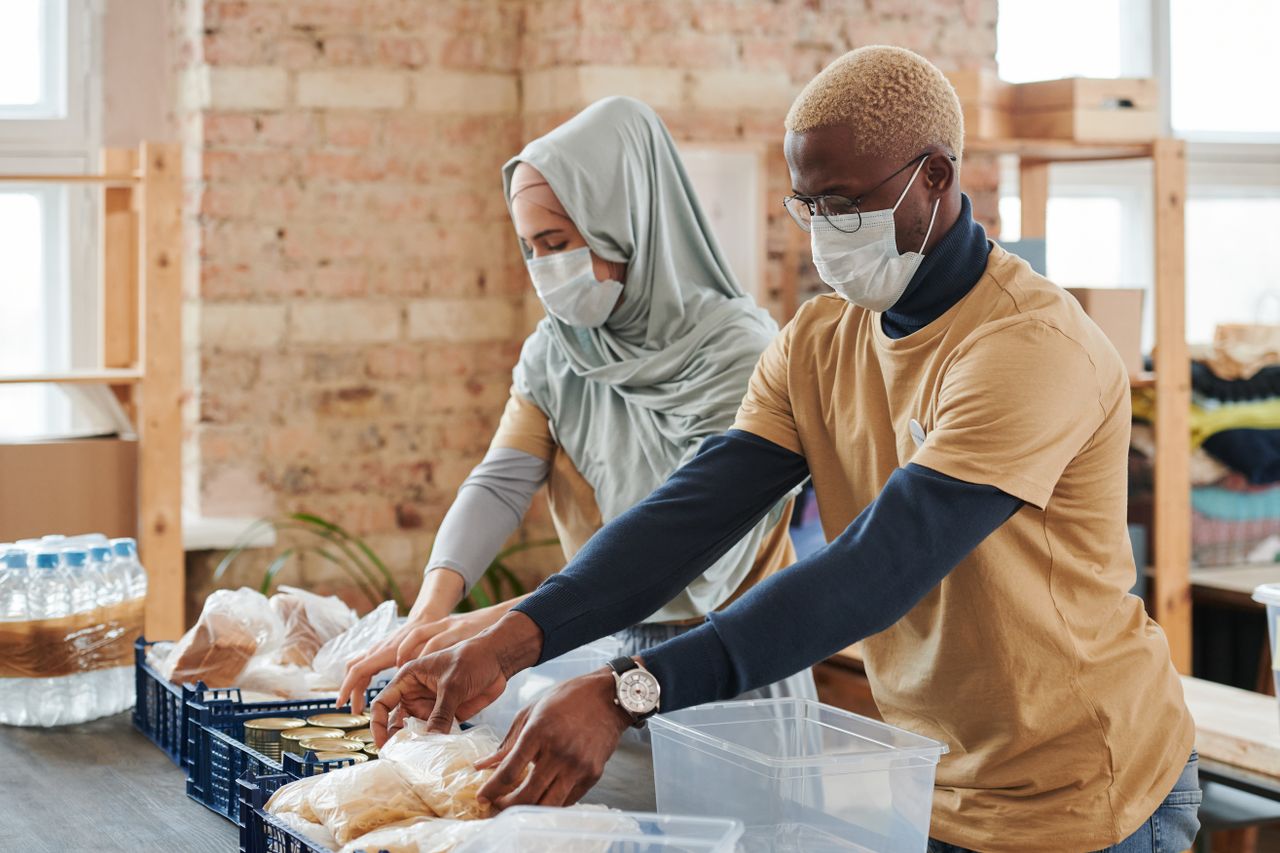
That is where simple kit choices can start to have a real social effect. Stackable boxes, clear handling routines and collapsible crates can help volunteers sort fruit, bread and chilled items without turning a shared room into a permanent storeroom. It sounds mundane, but less clutter means quicker set-up, fewer damaged goods, and less stress for the people doing the lifting, counting and cleaning at the end of the day.
Small efficiencies add up
When community projects run on goodwill, practical efficiencies are not a luxury. They can decide whether energy goes into administration or into people.
- Less wasted floor space in multi-use venues
- Easier rotation of stock that needs using first
- Safer handling for volunteers of different ages
Food support is often discussed only in terms of big policy, and of course that matters. But local resilience is often built from humble objects that make daily work smoother. Good storage will never be headline news, yet in the right setting it can quietly help a community feed itself with more dignity and less chaos.
Photo by Julia M Cameron via pexels.